Roulette Guide - Rules, Bets, and Strategies
Roulette is one of the most iconic casino games in the world, instantly recognizable by its spinning wheel and bouncing ball. The game offers a fascinating blend of simplicity (anyone can place a bet on red or black) and depth (understanding house edge, bet types, and betting systems can significantly improve your experience). This guide covers everything from basic rules to advanced concepts including all bet types, payout calculations, house edge analysis for each roulette version, detailed strategy breakdowns, and mathematical proof of why certain approaches work better than others.
The word "roulette" comes from the French for "little wheel." The game was developed in 18th-century France and has been a staple of casinos worldwide for over 200 years. Today, online platforms like CricBet99 offer live dealer roulette with real wheels, making the game accessible from anywhere in India. For more casino games, see our guides on Teen Patti, Blackjack, and Poker.

How Roulette Works
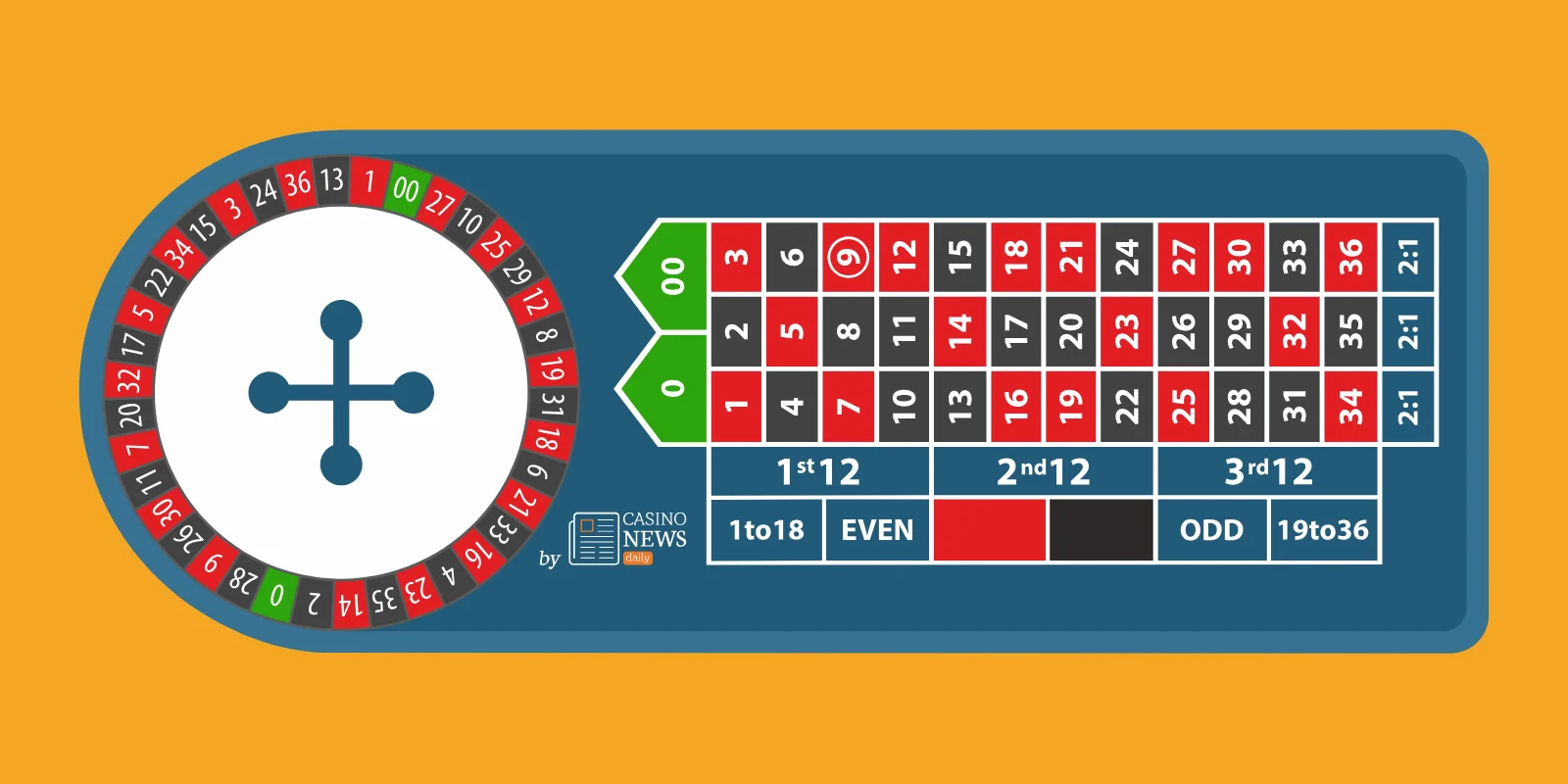
In roulette, a small ball is spun around a wheel containing numbered pockets. Players bet on where the ball will land. The wheel has numbers from 0 to 36 (European) or 0 to 36 plus 00 (American). Numbers are coloured red or black alternately, with the zero(s) in green. Players can bet on individual numbers, groups of numbers, colours, or odd/even before the ball is released. Once the ball settles in a pocket, all bets are resolved.
The beauty of roulette is that each spin is completely independent. The wheel has no memory. A result of red 10 times in a row does not make black more likely on the next spin. Each spin has exactly the same probabilities regardless of previous outcomes. Understanding and accepting this independence is the foundation of sound roulette play.
Types of Roulette
The version of roulette you play significantly affects your expected returns. Always choose the version with the lowest house edge:
| Version | Numbers | Zeros | House Edge | Recommendation |
|---|---|---|---|---|
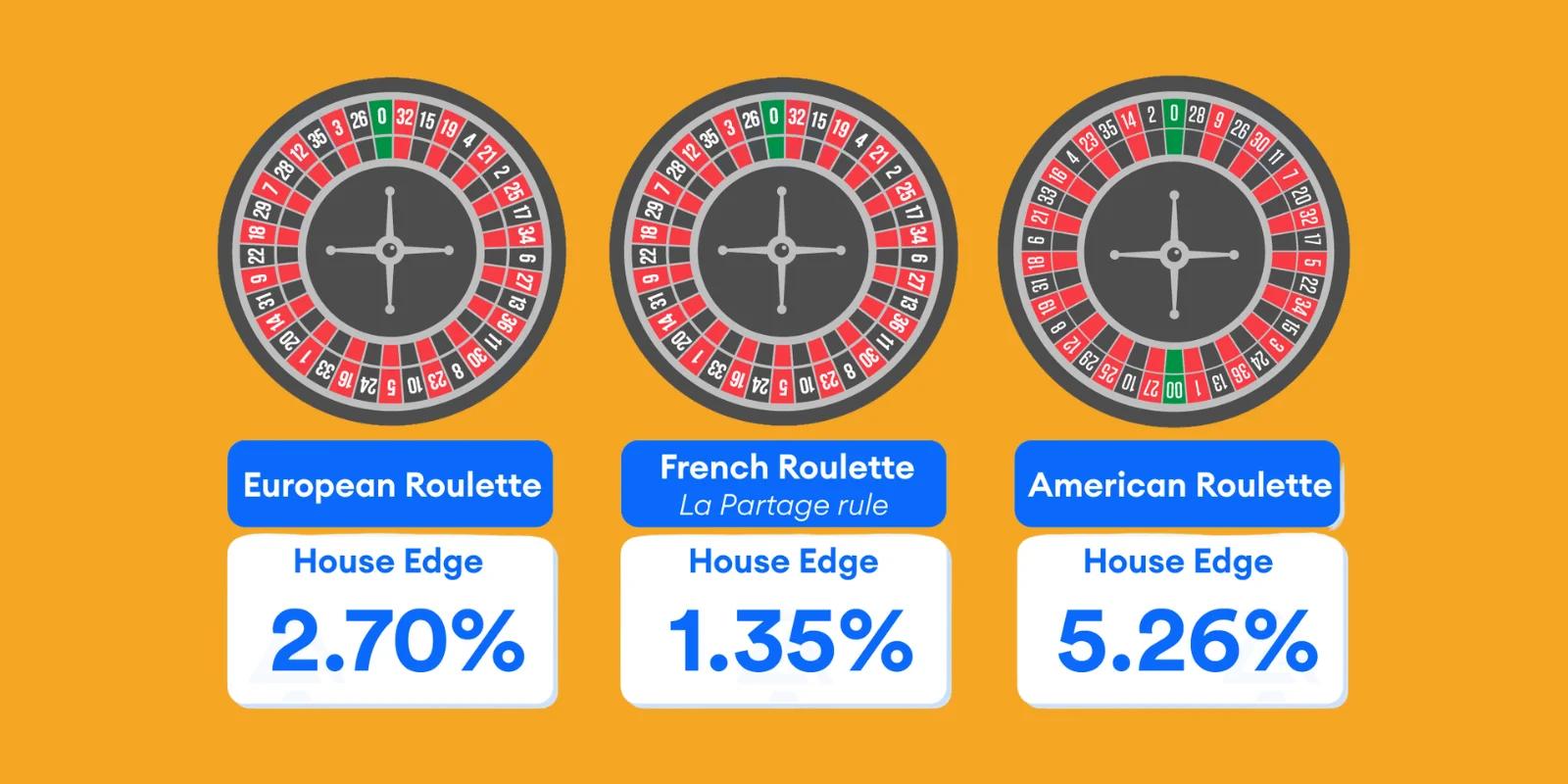
| European Roulette | 0-36 (37 pockets) | Single zero (0) | 2.70% | Best standard choice |
| French Roulette | 0-36 (37 pockets) | Single zero (0) | 1.35% (with La Partage) | Best odds available |
| American Roulette | 0-36 + 00 (38 pockets) | Double zero (0, 00) | 5.26% | Avoid if possible |
Always choose European or French roulette over American roulette. The double zero in American roulette nearly doubles the house edge (5.26% vs 2.70%) without offering any additional benefits to the player. French roulette with La Partage (which returns half your stake on even-money bets when the ball lands on zero) offers the best odds at just 1.35% house edge. Over a long session, the difference between 1.35% and 5.26% is enormous. On 100,000 rupees of total bets, you lose an average of 1,350 rupees at French roulette versus 5,260 rupees at American. That is nearly four times more.
Inside Bets (Specific Numbers)
Inside bets are placed on specific numbers or small groups of numbers on the inner section of the betting table. They offer higher payouts but lower probability of winning:
- Straight Up: Bet on a single number. Place your chip directly on the number. Payout: 35 to 1. Probability: 2.70% (European). This is the highest-paying roulette bet and also the riskiest. You will win approximately once every 37 spins on average.
- Split: Bet on two adjacent numbers by placing your chip on the line between them. Payout: 17 to 1. Probability: 5.41%. Covers two numbers with one bet.
- Street: Bet on a row of three numbers (e.g., 1-2-3, 4-5-6). Place your chip on the outer edge of the row. Payout: 11 to 1. Probability: 8.11%.
- Corner (Square): Bet on four numbers that form a square (e.g., 1-2-4-5). Place your chip at the intersection. Payout: 8 to 1. Probability: 10.81%.
- Six Line (Double Street): Bet on two adjacent rows of three numbers (six numbers total). Payout: 5 to 1. Probability: 16.22%.
- Trio: Bet on three numbers including at least one zero. European only. Payout: 11 to 1.
- Basket (Five Number): Bet on 0, 00, 1, 2, 3. American roulette only. Payout: 6 to 1. This is the worst bet in roulette with a 7.89% house edge. Never place this bet.
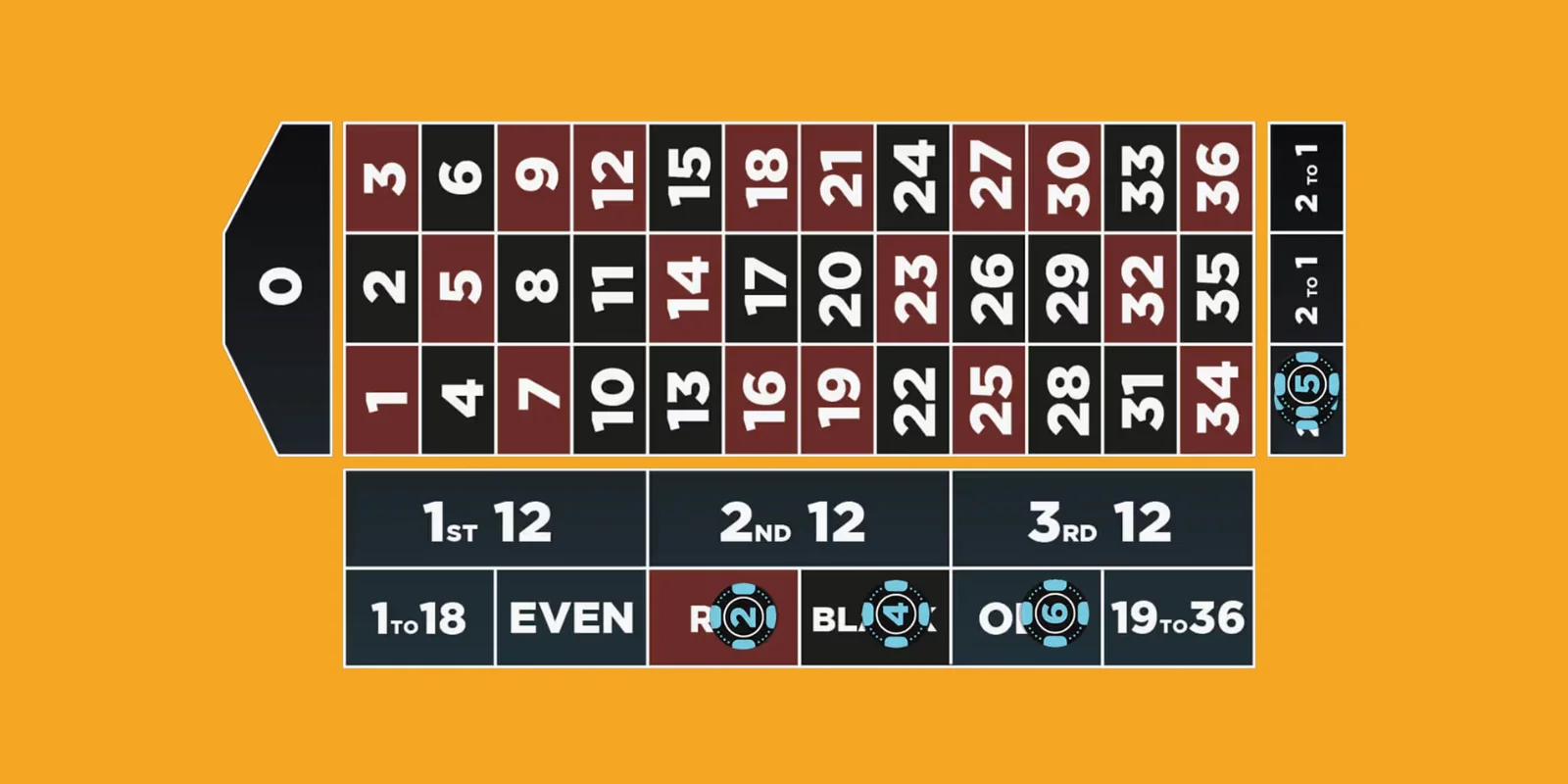
Outside Bets (Groups)
Outside bets cover large groups of numbers on the outer section of the table. They offer lower payouts but much higher probability of winning, making them ideal for beginners and conservative players:
- Red/Black: Bet on the colour of the winning number. Payout: 1 to 1 (even money). Probability: 48.65% (European). The most popular roulette bet.
- Odd/Even: Bet on whether the winning number is odd or even. Payout: 1 to 1. Probability: 48.65%. Zero is neither odd nor even.
- High/Low: Bet on 1-18 (low) or 19-36 (high). Payout: 1 to 1. Probability: 48.65%.
- Dozens: Bet on 1-12 (first dozen), 13-24 (second dozen), or 25-36 (third dozen). Payout: 2 to 1. Probability: 32.43%.
- Columns: Bet on one of the three vertical columns of 12 numbers. Payout: 2 to 1. Probability: 32.43%.
All outside bets (red/black, odd/even, high/low) have the same house edge as inside bets in European roulette (2.70%). The common belief that outside bets are "safer" is only partially true: they win more often but pay less. Over time, the house edge is identical. The real advantage of outside bets for beginners is longer playing time per unit of bankroll, since the high win frequency (nearly 50%) means your bankroll fluctuates less dramatically.
Complete Payout and Probability Table
| Bet Type | Numbers Covered | Payout | European Probability | American Probability | House Edge (European) |
|---|---|---|---|---|---|
| Straight Up | 1 | 35:1 | 2.70% | 2.63% | 2.70% |
| Split | 2 | 17:1 | 5.41% | 5.26% | 2.70% |
| Street | 3 | 11:1 | 8.11% | 7.89% | 2.70% |
| Corner | 4 | 8:1 | 10.81% | 10.53% | 2.70% |
| Six Line | 6 | 5:1 | 16.22% | 15.79% | 2.70% |
| Dozens | 12 | 2:1 | 32.43% | 31.58% | 2.70% |
| Columns | 12 | 2:1 | 32.43% | 31.58% | 2.70% |
| Red/Black | 18 | 1:1 | 48.65% | 47.37% | 2.70% |
| Odd/Even | 18 | 1:1 | 48.65% | 47.37% | 2.70% |
| High/Low | 18 | 1:1 | 48.65% | 47.37% | 2.70% |
How to read this table: A straight-up bet on a single number in European roulette has a 2.70% chance of winning and pays 35 to 1. If you bet 100 rupees, you win 3,500 rupees (plus your 100 back) when you hit, but you lose 100 rupees the other 97.3% of the time. Over 37 spins (one complete cycle), you expect to win once (3,500 rupees) and lose 36 times (3,600 rupees), giving the house a net profit of 100 rupees, which is 2.70% of your total bets (3,700 rupees).
House Edge Deep Dive
The house edge in roulette comes from the green zero pocket(s). On a European wheel with 37 pockets, a winning straight-up bet pays 35 to 1 instead of the mathematically fair 36 to 1. That missing unit of payout is the house's profit. Across all bet types, this results in a 2.70% house edge for European roulette.
La Partage and En Prison (French Roulette): These rules, available in French roulette, reduce the house edge on even-money bets to just 1.35%. With La Partage, if you place an even-money bet (red/black, odd/even, high/low) and the ball lands on zero, you receive half your stake back instead of losing everything. With En Prison, your even-money bet is "imprisoned" when zero hits. If your bet wins on the next spin, you receive your original stake back (no profit). If it loses, you lose the bet. Both rules effectively halve the house edge on even-money bets.
For comparison with other casino games: Blackjack with basic strategy has a house edge of about 0.5%, Baccarat banker bet has 1.06%, and Slots typically range from 3% to 10%. French roulette at 1.35% is competitive with the best table games.
Roulette Betting Strategies
Several betting systems have been developed for roulette over the centuries. None of them change the house edge (which is determined by the wheel, not your bets), but they do change the pattern of your wins and losses, which affects your playing experience and risk profile.
Martingale System
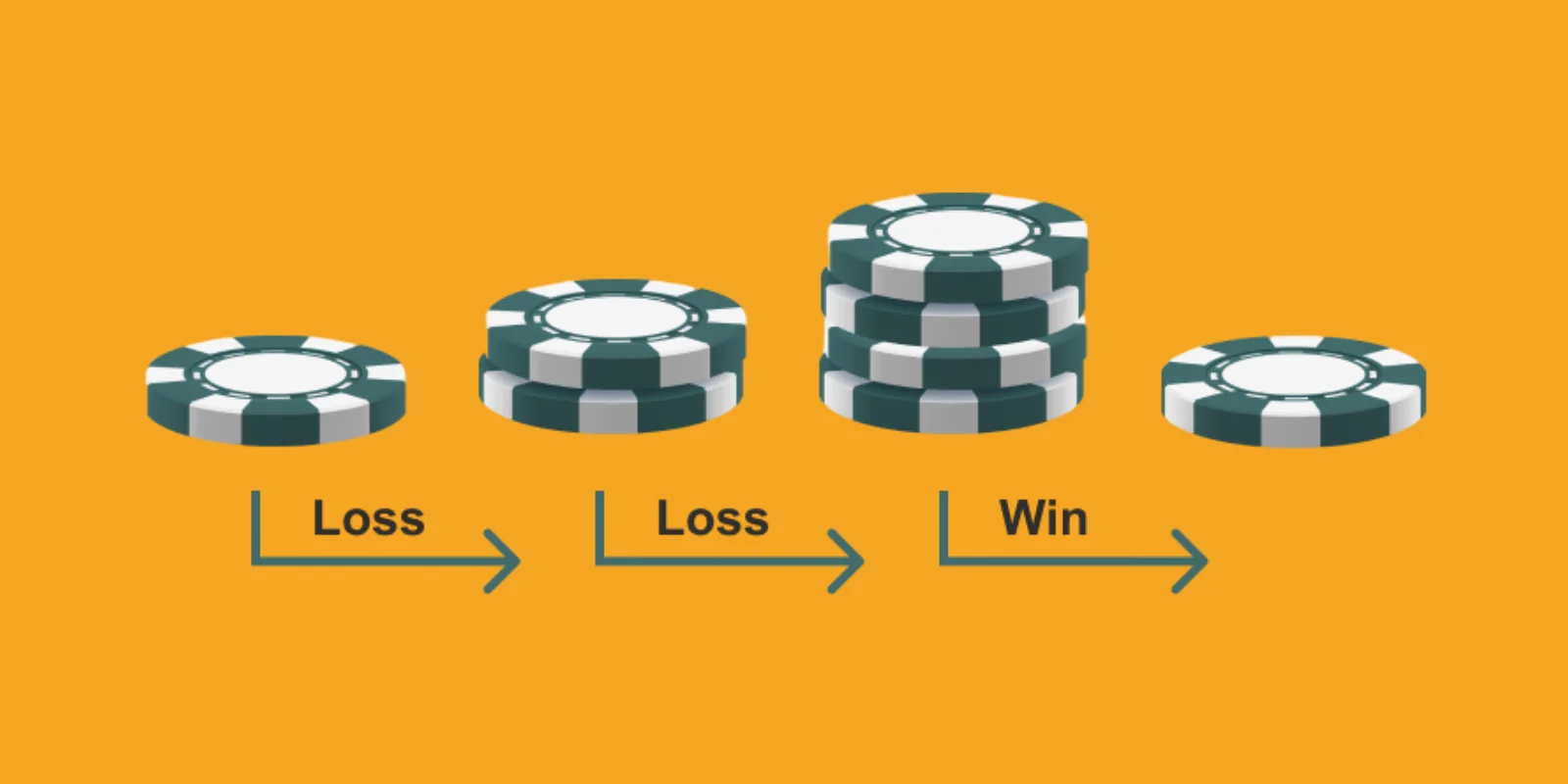
The most famous roulette strategy. After every loss on an even-money bet, you double your bet. When you eventually win, you recover all previous losses plus a profit equal to your original bet. Then you reset to the original bet.
Example sequence: Bet 100, lose. Bet 200, lose. Bet 400, lose. Bet 800, win. Total wagered: 1,500. Total won: 1,600 (800 x 2). Profit: 100 rupees (your original bet).
The problem: A losing streak of 7 or more (which happens more often than people think) requires enormous bets. After 7 consecutive losses starting at 100 rupees: the 8th bet is 12,800 rupees, and your total losses are 12,700 rupees. Most players hit their bankroll limit or the table maximum before recovering. The Martingale produces many small wins and occasional catastrophic losses.
Mathematical reality: Over an infinite number of spins, the Martingale produces exactly the same expected loss as flat betting (2.70% of total money wagered). It does not change the house edge. It only changes the distribution of outcomes: more winning sessions but with occasional devastating losses that wipe out all gains.
Reverse Martingale (Paroli)
The opposite of Martingale: double your bet after every win instead of every loss. Set a win target (typically 3 consecutive wins) and reset to the base bet after reaching it or after any loss.
Example: Bet 100, win. Bet 200, win. Bet 400, win. Reset. Total wagered: 700. Total won: 1,400 (100+200+400). Profit: 700 rupees from a 100 rupee starting bet.
Advantage: You risk the house's money (your winnings) rather than your own bankroll. The downside is that a single loss at any point resets your progress. Three consecutive wins on an even-money bet occur about 12.5% of the time (0.4865 cubed).
D'Alembert System
A more conservative system. Increase your bet by one unit after a loss, decrease by one unit after a win. This produces smoother results than Martingale with smaller bet escalation.
Example: Start at 500 rupees. Lose: bet 600. Lose: bet 700. Win: bet 600. Win: bet 500. The bet sizes fluctuate gently around your starting point.
Fibonacci System
Bets follow the Fibonacci sequence: 1, 1, 2, 3, 5, 8, 13, 21, 34, 55... After a loss, move one step forward in the sequence. After a win, move two steps back. This is even more conservative than D'Alembert but requires a longer winning sequence to recover from deep losing streaks.
James Bond Strategy
A flat-bet strategy that covers 25 of 37 numbers (67.6% of the wheel). Place three bets simultaneously: 70% of your stake on high (19-36), 25% on the six line covering 13-18, and 5% straight up on zero. This gives you a 67.6% chance of winning each spin but leaves numbers 1-12 uncovered. It produces more frequent wins but occasional complete losses when 1-12 hits.
No betting strategy can overcome the house edge in roulette. The wheel has no memory, and each spin is independent. Strategies like Martingale can produce short-term wins but inevitably lead to large losses during extended losing streaks. The house edge is built into the wheel through the green zero pocket(s), and no amount of clever bet placement can change it. Use strategies to manage your betting pattern and enjoyment, not as a path to guaranteed profit. The only way to reduce the house edge is to play French roulette with La Partage (1.35%) instead of American roulette (5.26%).
Advanced Roulette Concepts
Sector Betting (Neighbours)
On the racetrack betting area (available on many European roulette tables), you can place bets on sectors of the wheel rather than sections of the table. This is called "neighbours" betting. For example, betting on "17 and neighbours" covers 17 plus the two numbers on either side of 17 on the physical wheel (not the table). This is relevant because numbers adjacent on the wheel are far apart on the table, allowing you to bet on a physical section of the wheel where the ball is more likely to land if the dealer has a consistent spin.
Announced Bets (French Bets)
French roulette tables offer special announced bets that cover specific sections of the wheel:
- Voisins du Zero: Covers 17 numbers around zero (numbers 22 to 25 on the wheel). Requires 9 chips.
- Tiers du Cylindre: Covers 12 numbers opposite zero on the wheel. Requires 6 chips.
- Orphelins: Covers the 8 numbers not included in Voisins or Tiers. Requires 5 chips.
Dealer Signature (Physical Wheels Only)
Some players believe that physical roulette dealers develop consistent spinning patterns over time, causing the ball to land in predictable sectors of the wheel. While this theory has some historical basis (early 20th-century casinos had consistent mechanical wheels), modern casinos use precision-engineered wheels with frequent rotation changes and dealer switching specifically to prevent sector prediction. In online live dealer roulette, automatic ball launchers eliminate this possibility entirely.
Expected Loss Calculation
You can calculate your expected loss for any roulette session using this formula: Expected Loss = Total Bets x House Edge. If you plan to make 100 bets of 200 rupees each on European roulette: Expected Loss = 20,000 x 0.027 = 540 rupees. This does not mean you will lose exactly 540 rupees. Your actual result will vary widely due to variance. But over many sessions, your average loss will converge toward this number.
Common Roulette Mistakes
- Playing American roulette when European is available. The house edge is nearly double (5.26% vs 2.70%). There is no reason to play American roulette ever.
- Believing in "due" numbers. If red has appeared 10 times in a row, black is NOT more likely on the next spin. Each spin is independent with the same probabilities.
- Using Martingale with insufficient bankroll. The system requires exponentially increasing bets. A losing streak of 7+ is not rare (it happens roughly every 128 sequences of 7 spins).
- Betting on the "Basket" (Five Number) bet in American roulette. It has a 7.89% house edge, the worst bet on the table.
- Ignoring La Partage. If French roulette with La Partage is available, always use it for even-money bets. The house edge drops from 2.70% to 1.35%.
- Chasing losses. Increasing bet sizes after losses to "get even" leads to larger losses. Set a session budget and stick to it.
- Not setting a stop-win limit. If you are up significantly, take the profit. Without a stop-win target, you will eventually give everything back to the house over extended play.
- Believing in biased wheels online. Online roulette wheels (both RNG and live dealer) are tested and certified for randomness. Physical biases that might exist in poorly maintained casino wheels do not apply to online play.
Playing Roulette on CricBet99
CricBet99 offers European roulette with live dealers streaming from professional studios. You see a real wheel spin in real-time with a real ball, and all standard bet types are available. Get your CricBet99 ID on WhatsApp, deposit funds, and navigate to the casino section.
For other casino games: Teen Patti, Blackjack, Poker, Baccarat, Slots. Learn more: Roulette on Wikipedia.
Number Coverage Strategies
Beyond the well-known Martingale and D'Alembert systems, many experienced roulette players use number coverage strategies that aim to cover specific portions of the wheel rather than betting on simple even-money outcomes. These strategies offer different risk/reward profiles and can make the game more engaging.
The Two Dozen Strategy
Place equal bets on two of the three dozen groups (e.g., 1-12 and 13-24). This covers 24 of 37 numbers (64.9% of the wheel), leaving only 13 numbers uncovered (25-36 and 0). When your bet wins, you receive a 2:1 payout on one dozen but lose the bet on the other, netting a profit of one unit. When the ball lands on an uncovered number, you lose both bets.
Expected result: You win 64.9% of spins but only profit one unit each time. You lose 35.1% of spins and lose two units. Over 1,000 spins at 100 rupees per dozen: Expected wins = 649 x 100 = 64,900. Expected losses = 351 x 200 = 70,200. Net loss: 5,300 rupees (2.65% of total wagered). The house edge remains approximately the same as any other roulette bet, but the pattern of results is very different: many small wins punctuated by less frequent but larger losses.
The 17-Number System
Place straight-up bets on 17 carefully selected numbers. This covers 45.9% of the wheel. Each win pays 35:1, giving you a substantial payout. Each loss costs 17 units (one per number). The break-even point is hitting approximately once every 18 spins. With 17 numbers covered, you expect to hit once every 2.18 spins on average, which seems profitable. But the break-even calculation is more nuanced: you profit 35 minus 17 = 18 units on a win, and lose 17 units on a loss. Over 37 spins, you expect 17 wins (17 x 18 = 306 units profit) and 20 losses (20 x 17 = 340 units loss), for a net loss of 34 units. The house edge: 34/629 = 5.4% on total wagered. It appears higher because you are betting 17 units per spin.
The lesson from both coverage strategies: no matter how you arrange your bets, the house edge remains constant. You can change the volatility (how your results are distributed over time) but not the mathematical expectation.
The Column Plus Straight Strategy
Bet on one column (12 numbers, pays 2:1) and simultaneously place straight-up bets on 3 to 5 numbers from one of the other columns. This gives you medium coverage with the potential for a large payout if one of your straight-up numbers hits. The column bet provides a steady return while the straight-up bets provide occasional large wins. Total coverage: 15 to 17 numbers out of 37.
Session Management for Roulette
Because roulette is a negative expectation game (the house always has an edge), proper session management is crucial for maximizing enjoyment and minimizing losses. Here is a complete framework:
Setting a Session Budget
Before sitting down at a roulette table, decide the maximum amount you are willing to lose. This should be money you can afford to lose without any impact on your daily life. A typical recommendation is to bring 50 to 100 times your average bet size. If you plan to bet 200 rupees per spin, your session budget should be 10,000 to 20,000 rupees. This gives you enough spins to enjoy the game and experience the natural ups and downs without running out too quickly.
| Average Bet | Session Budget (Conservative) | Session Budget (Moderate) | Expected Spins |
|---|---|---|---|
| 100 rupees | 10,000 rupees | 5,000 rupees | 50-100 spins |
| 200 rupees | 20,000 rupees | 10,000 rupees | 50-100 spins |
| 500 rupees | 50,000 rupees | 25,000 rupees | 50-100 spins |
| 1,000 rupees | 100,000 rupees | 50,000 rupees | 50-100 spins |
Setting a Win Target
A win target is the amount of profit at which you stop playing and walk away. Without a win target, you will eventually give back all your winnings to the house because the house edge ensures that the longer you play, the more you lose on average. A common win target is 50% of your session budget. If you bring 10,000 rupees and reach 15,000 rupees (5,000 profit), stop playing. Lock in the profit.
Time-Based Limits
Set a maximum time limit for your session regardless of results. After 60 to 90 minutes of continuous play, decision fatigue sets in, and you may start making impulsive bets. Shorter, focused sessions produce better results than marathon sessions where tiredness leads to poor choices.
The Session Tracker Method
Keep a simple mental or written tally of your session results. After every 25 spins, assess your position. Are you up, down, or roughly even? If you are up significantly, consider stopping. If you are down to less than 30% of your starting budget, stop. If you are roughly even, continue only if you are still enjoying the game. Never continue playing purely to chase losses or to try to win more after a good streak.
The Mathematics Behind Roulette
Understanding the mathematics of roulette helps you make informed decisions and avoid common misconceptions. Every aspect of the game can be expressed in precise mathematical terms.
Independent Events and the Gambler's Fallacy
Each roulette spin is an independent event. The wheel has no memory. The ball does not "know" what happened on previous spins. If red has appeared 10 times in a row, the probability of red on the next spin is still exactly 48.65% (European roulette). It is not "due" for black. This misunderstanding, known as the Gambler's Fallacy, has cost more money than any other misconception in casino history.
The mathematical proof is straightforward: the wheel has no mechanism for recording or responding to past results. Each spin is a fresh, independent trial with identical probabilities. The sequence RRRRRRRRRR (10 reds) has exactly the same probability as RBRBRBRBRB (alternating) or any other specific sequence of 10 results.
Expected Value Calculation
The expected value (EV) of any roulette bet tells you how much you can expect to win or lose per unit wagered over the long run:
European Roulette EV (any bet): EV = (probability of winning x payout) - (probability of losing x stake). For a straight-up bet: EV = (1/37 x 35) - (36/37 x 1) = 0.9459 - 0.9730 = -0.0270. This means you lose 2.70 rupees for every 100 rupees wagered, on average.
American Roulette EV (any bet except basket): EV = (1/38 x 35) - (37/38 x 1) = 0.9211 - 0.9737 = -0.0526. You lose 5.26 rupees per 100 wagered.
French Roulette with La Partage (even-money bets): EV = (18/37 x 1) + (1/37 x 0.5) - (18/37 x 1) = modified to -0.0135. You lose only 1.35 rupees per 100 wagered.
Variance and Standard Deviation
While the expected value tells you what happens on average, variance tells you how much your actual results will fluctuate around that average. Roulette has relatively high variance compared to some casino games, especially on inside bets. A player making straight-up bets will experience dramatic swings: long losing streaks punctuated by occasional large wins. A player making even-money bets will experience much smoother results with smaller fluctuations.
This is why bet selection matters for session management even though the house edge is identical for all bets: the volatility profile affects how long your bankroll lasts and how extreme your session results can be. High-variance strategies (inside bets) are exciting but require larger bankrolls. Low-variance strategies (outside bets) are more predictable and better for limited budgets.
| Bet Type | Variance per Spin | Typical Session Swing (100 spins) | Bankroll Required |
|---|---|---|---|
| Straight Up (1 number) | Very High | -90% to +300% | 100x bet minimum |
| Split (2 numbers) | High | -70% to +200% | 75x bet minimum |
| Dozen/Column (12 numbers) | Medium | -40% to +80% | 50x bet minimum |
| Even Money (18 numbers) | Low | -30% to +40% | 30x bet minimum |
Live Dealer Roulette Experience
Live dealer roulette on CricBet99 provides the most authentic online roulette experience available. Here is what to expect:
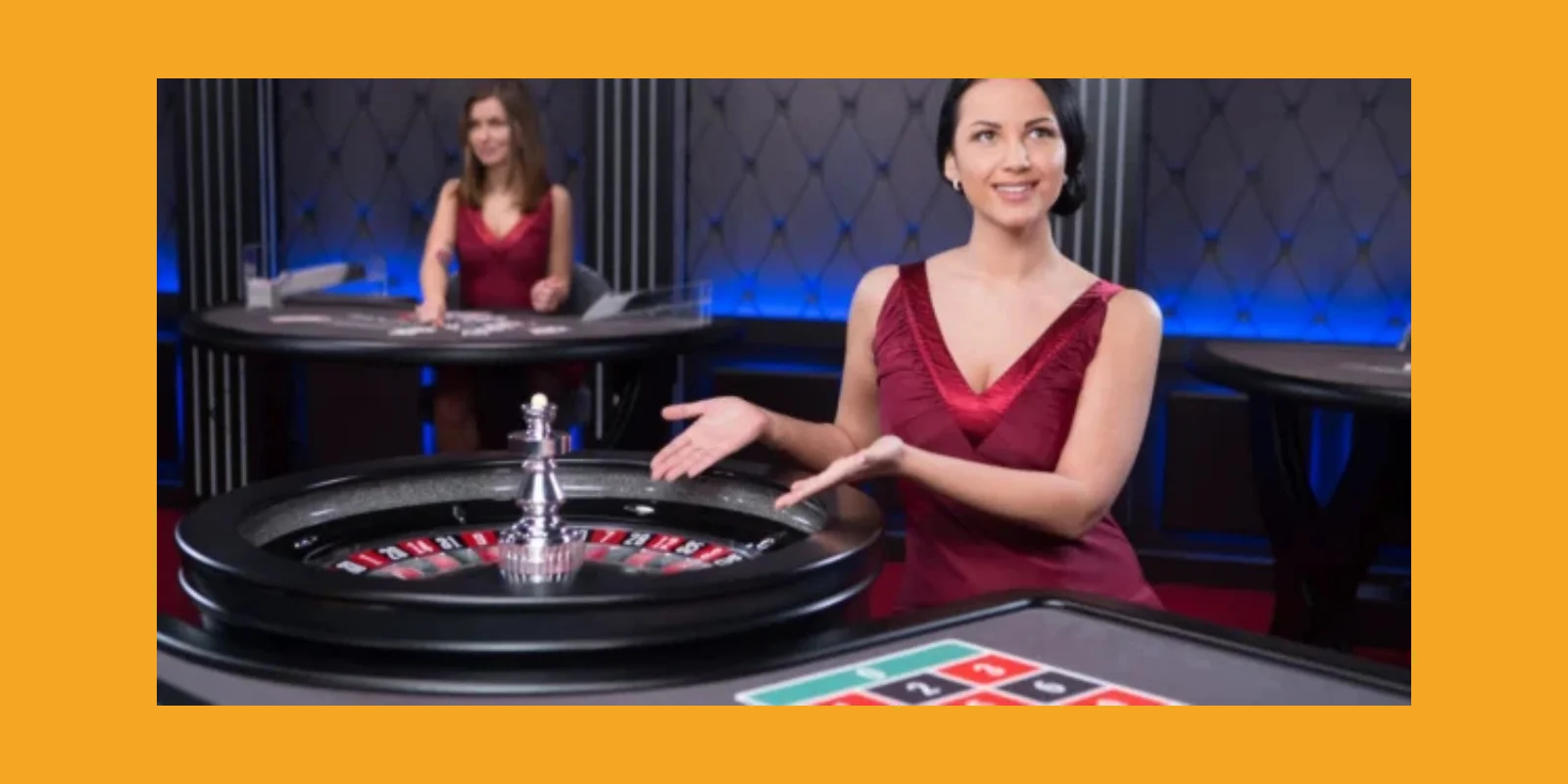
How it works: A real professional dealer stands at a physical roulette wheel in a purpose-built studio. High-definition cameras stream the action to your device in real-time. You place bets through the digital interface on your screen, and the dealer physically spins the wheel and drops the ball. The result is determined by real physics, not a random number generator.
Advantages of live dealer roulette: You can see the wheel spin and the ball bounce, creating trust in the fairness of the outcome. Interaction with the dealer through a chat function adds a social element. Multiple camera angles let you see the wheel close-up during the spin. The pace is slower than automated roulette, giving you more time to think about your bets.
Available variants on CricBet99: European Roulette (single zero, 2.70% house edge), Speed Roulette (faster spins for experienced players), and Lightning Roulette (random multipliers of 50x to 500x applied to straight-up bets, adding a jackpot element). Each variant maintains the same fundamental mathematics but offers a different playing experience.
Tips for live roulette: Use the statistics display (most platforms show the last 100+ results) to understand that results are random, NOT to predict future outcomes. Take advantage of the slower pace to plan your bets carefully rather than making impulsive decisions. Use the chat function to ask the dealer about rules if you are unsure about any aspect of the game.
Roulette vs Other Casino Games
| Game | House Edge | Skill Factor | Pace | Best For |
|---|---|---|---|---|
| French Roulette (La Partage) | 1.35% | None | Moderate | Best pure chance game |
| European Roulette | 2.70% | None | Moderate | Classic casino experience |
| Baccarat (Banker) | 1.06% | None | Fast | Lowest edge, simple game |
| Blackjack (basic strategy) | 0.50% | High | Moderate | Skill-based players |
| Teen Patti | Varies (player vs player) | High | Slow | Social, psychological game |
| Poker | Rake only (player vs player) | Very High | Slow | Most skill-dependent |
| Slots | 3-10% | None | Very Fast | Entertainment, jackpots |
| American Roulette | 5.26% | None | Moderate | Avoid |
Among pure chance games (no skill component), French roulette with La Partage offers the second-best odds after baccarat's banker bet. If you enjoy the visual spectacle of the spinning wheel and the variety of bet types, roulette is an excellent choice. If you prefer the lowest possible house edge regardless of game type, baccarat is marginally better.
Roulette Case Studies
Case Study 1: The Martingale Trap
Scenario: Raj brings 20,000 rupees to the roulette table. He bets on red using the Martingale system, starting at 200 rupees. His plan: double after every loss until he wins.
Rounds 1-4: Black, black, red, red. He loses 200 and 400, then wins 800 and 200. Net position after 4 rounds: +200 rupees. System seems to be working.
Rounds 5-11: Black, black, black, black, black, black, black. Seven consecutive blacks. His bets escalate: 200, 400, 800, 1600, 3200, 6400, 12800. But wait, his total bankroll was only 20,000. After losing the 6,400 bet (cumulative losses: 12,600), his remaining bankroll is 7,600 rupees. The next required bet is 12,800, which exceeds his remaining funds. He cannot continue the system.
Result: Raj loses 12,600 rupees. The single win he needed to recover everything never came because the losing streak exhausted his bankroll before the mathematics could balance out. Seven consecutive same-colour results happen approximately once every 128 sequences, meaning it is not rare at all. Over 500 spins (a typical 2-hour session), this streak is likely to occur 3 to 4 times.
Lesson: The Martingale system requires infinite bankroll and no table limits to guarantee eventual profit. In reality, both your bankroll and the table maximum are finite, creating a hard cap on how many losses you can absorb. The system is mathematically sound in theory but fails catastrophically in practice.
Case Study 2: The Disciplined Session
Scenario: Priya brings 10,000 rupees with a plan: flat bet 200 rupees on even-money bets (red/black) for a maximum of 50 spins. Stop-loss: 5,000 rupees (50% of bankroll). Win target: 3,000 rupees profit (reach 13,000).
Session: Over 50 spins, she wins 26 and loses 24 (slightly above the expected 24.3 wins). Net result: 26 x 200 minus 24 x 200 = +400 rupees. She reaches spin 50 with a balance of 10,400 rupees. She has not hit her win target of 13,000 but has not hit her stop-loss either. She stops as planned.
Result: A modest profit of 400 rupees with minimal stress. By setting firm limits and using flat betting, Priya avoided the emotional rollercoaster of progressive systems. Her session lasted approximately 45 minutes with consistent, controlled play.
Lesson: Disciplined flat betting with pre-set limits produces the most sustainable roulette experience. You will not win huge amounts, but you will not lose huge amounts either. The entertainment comes from the game itself, not from chasing an impossible guaranteed profit.
Case Study 3: Exploiting La Partage
Scenario: CricBet99 offers French Roulette with La Partage. Sonia bets 500 rupees on even/odd for each spin.
Over 100 spins: She wins 48, loses 49, and zero appears 3 times. Without La Partage: 48 x 500 minus 52 x 500 = -2,000 rupees. With La Partage: 48 x 500 minus 49 x 500 minus 3 x 250 (half returned on zero) = 24,000 minus 24,500 minus 750 = -1,250 rupees.
Savings: La Partage saved 750 rupees in this session. Over a year of regular play, these savings compound significantly. This is why French Roulette with La Partage should always be your first choice among roulette variants.

Roulette Terminology
| Term | Meaning |
|---|---|
| Croupier | The dealer who spins the wheel and manages bets |
| En Plein | French term for a straight-up bet (single number) |
| Cheval | French term for a split bet (two numbers) |
| Transversale | French term for a street bet (three numbers) |
| Carre | French term for a corner bet (four numbers) |
| La Partage | Rule returning half stake on even-money bets when zero hits |
| En Prison | Rule imprisoning even-money bets when zero hits for one more spin |
| Voisins du Zero | Announced bet covering 17 numbers around zero on the wheel |
| Tiers du Cylindre | Announced bet covering 12 numbers opposite zero |
| Orphelins | Announced bet covering 8 numbers not in Voisins or Tiers |
| Column Bet | Bet on one of three vertical columns of 12 numbers |
| Dozen Bet | Bet on 1-12, 13-24, or 25-36 |
| Overround / Vig | The house edge built into every bet |
Biased Wheels and Physical vs Digital Play
In the early history of roulette, some players made fortunes by identifying biased wheels. Physical imperfections in manufacturing, wear from years of use, or improperly levelled tables could cause certain numbers or sectors to appear more frequently than probability predicted. The most famous case is Joseph Jagger, who in 1873 hired clerks to record results at Monte Carlo and identified a biased wheel, winning the equivalent of millions of dollars.
Modern casinos have effectively eliminated biased wheels through precision manufacturing, regular maintenance schedules, wheel rotation (changing the wheel's position on the table), and automatic ball launchers. Online live dealer roulette uses professional-grade wheels that are tested daily for any deviation from randomness. The era of exploiting biased wheels is effectively over.
For automated online roulette (RNG-based), bias is impossible by definition. A Random Number Generator produces results that are mathematically independent and uniformly distributed. Each number has exactly 1/37 (European) or 1/38 (American) probability on every spin, with zero correlation to previous results. RNG outputs are verified by independent testing agencies to ensure compliance with statistical randomness standards.
Creative Bet Combinations
Experienced roulette players often combine multiple bet types to create custom risk profiles. Here are some popular combinations:
Red + Straight Up on Black Numbers: Bet on Red (covers 18 numbers) plus 2 to 4 straight-up bets on specific black numbers. This gives you broad coverage (20 to 22 numbers) with the chance for a large payout if your straight-up numbers hit. The red bet provides steady returns while the black straight-ups add occasional big wins.
Two Columns + Zero: Bet on two columns (covering 24 numbers) plus a small straight-up bet on zero. This covers 25 of 37 numbers (67.6%). The column bets provide steady 2:1 returns while the zero bet acts as insurance against the house's special number.
Dozen + Column Overlap: The first dozen (1-12) and the first column (1, 4, 7, 10, 13, 16, 19, 22, 25, 28, 31, 34) share four numbers (1, 4, 7, 10). Betting on both gives you extra coverage on those four overlapping numbers while covering 20 unique numbers total. If one of the overlapping numbers hits, both bets pay out.
Important reminder: All bet combinations maintain the same overall house edge per unit wagered. No combination can create a mathematical advantage. The creativity lies in customising your experience (how often you win, how much you win when you do) rather than changing the expected outcome.
Responsible Roulette Play
Roulette's continuous, rapid gameplay makes it important to maintain conscious control over your betting:
- Decide your total session stake before your first spin. Place that amount aside and do not access additional funds during the session.
- Use the pause between spins wisely. Each spin takes roughly 30 to 60 seconds including betting time. Use this interval to check your remaining balance and assess whether you are still within your planned limits.
- Avoid chasing specific outcomes. Waiting for a "pattern" to emerge before betting is the Gambler's Fallacy in action. Each spin is independent.
- Take regular breaks. After 30 to 45 minutes of continuous play, step away for 5 to 10 minutes. This prevents fatigue-driven decisions and helps maintain perspective.
- Never borrow money to play roulette. If your session budget is gone, the session is over. Period.
Quick Start Guide for Roulette Beginners
If you have never played roulette before, follow this step-by-step beginner plan to get started on CricBet99 with confidence:
Step 1: Choose European or French Roulette. Never American. The house edge is nearly half (2.70% vs 5.26%). If French Roulette with La Partage is available, choose that for even-money bets (1.35% edge).
Step 2: Start with even-money bets only. Red/Black, Odd/Even, or High/Low. These bets win approximately 48.65% of the time, giving you the highest win frequency and the smoothest experience. You will not win large amounts, but you will play many spins and learn the game flow.
Step 3: Set your session budget at 50x your bet size. If you bet 200 rupees per spin, bring 10,000 rupees. This gives you approximately 50 spins minimum even in a worst-case losing streak.
Step 4: Set a win target of 50% profit. If you bring 10,000 and reach 15,000, stop playing and enjoy your profit. Without a win target, the house edge will eventually reclaim your winnings.
Step 5: After 10 to 15 sessions of even-money betting, you will understand the pace, the variance, and your own emotional responses. At this point, you can explore inside bets (straight-up, splits, corners) for higher payouts, or try coverage strategies for variety. Always maintain your session budget discipline regardless of which bets you use.
Step 6: Read the full strategy sections above. Understanding betting systems, the mathematics, and house edge analysis will deepen your appreciation of the game and help you avoid costly misconceptions. Remember that no strategy changes the house edge, but understanding the math helps you manage expectations and play responsibly.
For other beginner-friendly casino games, try Andar Bahar (even simpler than roulette) or Baccarat (lowest house edge with zero strategy required). For games with a skill element, explore Blackjack or Teen Patti. For understanding how odds work across all casino games and sports betting, read our comprehensive odds guide.
Play Roulette on CricBet99
Live dealer European roulette with real wheels and professional dealers. Get your ID in 2 minutes.
Start Playing RouletteIf betting is affecting your daily life, please seek help through iCall India and Vandrevala Foundation. Read our Responsible Gambling page.
Frequently Asked Questions
French roulette with La Partage has the lowest house edge at 1.35% on even-money bets. European roulette is next at 2.70%. American roulette is worst at 5.26%.
Martingale produces many small wins but occasional catastrophic losses. It does NOT change the house edge. Long losing streaks happen more often than people think. Use it for entertainment, not as a profit strategy.
All bets in European roulette have the same 2.70% house edge. Even-money bets (red/black, odd/even, high/low) offer the highest win probability at ~48.65% and are ideal for beginners.
Yes, when played on reputable platforms like CricBet99. Online roulette uses certified RNGs for automated games and real wheels for live dealer games. Both are audited for fairness.
La Partage is a French roulette rule that returns half your stake on even-money bets when the ball lands on zero. It halves the house edge from 2.70% to 1.35%.
No. Modern roulette wheels are precision-engineered for randomness. Each spin is independent. No pattern, system, or observation can predict the outcome with any reliability.
Bring at least 50 times your average bet size. If you bet 200 rupees per spin, bring 10,000 rupees. This gives you enough spins to enjoy the game and weather normal variance.
The Five Number (Basket) bet in American roulette covering 0, 00, 1, 2, 3 has a 7.89% house edge, nearly triple the European single-zero edge. Avoid this bet entirely.